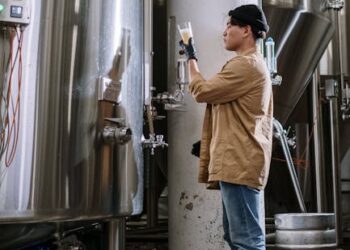


Mastering the Art of Homebrewing: Your Essential Craft Beer Fermentation Guide
Have you ever wanted to brew your own beer? The world of homebrewing is not only exciting but also incredibly satisfying. Imagine crafting a unique beer that you can share with friends or enjoy after a long day. In this guide, we’ll take you through the essential steps of fermentation, the key ingredients, and provide tips to help you master the art of homebrewing.
What is Homebrewing?
Homebrewing is the simple process of making your own beer at home. It’s not just a fun hobby; it’s a way to express your creativity and taste preferences. With a few essential ingredients and some basic equipment, you can start brewing your very own craft beer in no time!
The Basics of Brewing
Before diving into fermentation, let’s discuss the basics of brewing. The process consists of several key steps:
1. Gathering Your Ingredients
To start brewing, you will need:
- Water: The primary ingredient in beer.
- Malted Barley: This provides sugars that the yeast will ferment into alcohol.
- Hops: These add bitterness, flavor, and aroma to your beer.
- Yeast: The organism responsible for fermentation.
2. Brewing Process
The brewing process typically involves:
- Mashing: Combine malted barley with hot water to extract sugars.
- Boiling: Boil the mixture and add hops for flavor and preservation.
- Cooling: Cool the mixture quickly to prevent contamination.
- Fermentation: Add yeast to the cooled mixture and let it ferment.
Understanding Fermentation
Fermentation is where the magic happens! This is the stage where yeast converts sugars into alcohol and carbon dioxide, creating beer. Here are the key points about fermentation:
1. The Role of Yeast
Yeast is a tiny microorganism that consumes sugar and produces alcohol and carbon dioxide as a byproduct. Different strains of yeast can impart various flavors and aromas to your beer, making it essential to choose the right one for your recipe.
2. Fermentation Timeline
Fermentation usually occurs over a period of one to two weeks. During this time, it’s essential to keep the beer in a controlled environment, ideally between 65°F and 75°F (18°C to 24°C) for most ale yeasts. Monitor the fermentation progress by checking the specific gravity with a hydrometer.
3. Signs of Fermentation
Look for these signs to know your beer is fermenting:
- Bubbles in the airlock.
- Cloudiness in the liquid as yeast settles.
- Aroma changes in the airlock.
Common Homebrewing Questions
1. How Can I Avoid Contamination?
Sanitation is crucial in homebrewing. Make sure all your equipment is thoroughly cleaned and sanitized before use. This includes fermenters, bottles, and any tools. Use sanitation solutions available at homebrew stores.
2. What If My Beer Tastes Bad?
Not all brews will turn out perfect on the first try. If your beer tastes off, it could be due to several factors, including yeast strain, fermentation temperature, or sanitation issues. Take notes on your process and adjust for future batches!
3. Can I Experiment with Flavors?
Absolutely! Homebrewing is all about creativity. Try adding fruit, spices, or even coffee to your brew to create unique flavors. Just remember to keep track of what you add so you can replicate successful brews later!
Tips for Successful Homebrewing
1. Start with a Kit
If you’re a novice, starting with a homebrewing kit can help simplify the process. These kits usually come with all the necessary ingredients and equipment needed to brew your first batch.
2. Keep Detailed Records
Document each batch you brew. Record the ingredients, times, temperatures, and any changes you made. This not only helps you replicate good batches but also learn from mistakes.
3. Join a Homebrew Community
Connect with fellow homebrewers in your area or online. You can share tips, ask questions, and even organize tasting sessions. Communities such as homebrew clubs or online forums can significantly enhance your brewing experience.
The Final Steps: Bottling and Enjoying Your Brew
Once fermentation is complete, it’s time to bottle your beer. Here’s how to do it:
1. Bottling Process
Boil bottles and caps to sanitize them, then siphon your beer into the bottles, leaving some headspace. Add priming sugar to each bottle to carbonate your beer, then cap them securely.
2. Conditioning
Allow your beer to condition for another 1-2 weeks. During this time, carbonation will occur, and flavors will mellow, creating a smooth finish.
Conclusion: Craft Your Passion
Homebrewing is an enjoyable and rewarding hobby that allows you to express yourself creatively. With this guide to fermentation and essential techniques, you’re well on your way to mastering the art of homebrewing. So gather your ingredients, set up your equipment, and start brewing today! You’ll be amazed at the delicious craft beers you’ll create.
Remember, even the most seasoned brewers started as beginners. Don’t rush the process, enjoy every step, and most importantly—have fun brewing! Cheers!
This article is designed to be informative and engaging for a wide range of readers. It integrates essential information on homebrewing, focusing on fermentation while also addressing common questions, offering practical tips, and encouraging creativity. It is structured in a way that is easily scannable and provides clarity, making it suitable for all audience levels.