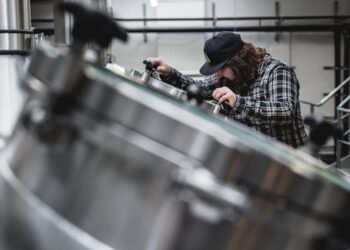


Discover the Joy of Homebrewing with Your Starter Craft Beer Brewing Kit
The world of craft beer is vast and varied, and there’s nothing quite like enjoying a beverage you’ve made yourself. With a starter craft beer brewing kit, you can embark on an exciting journey that not only teaches you a new skill but also allows you to indulge in your creativity. In this guide, we’ll explore the basics of homebrewing, offer tips to get you started, and answer some common questions about the process. Let’s dive in!
What is Homebrewing?
Homebrewing is the process of making beer at home, usually on a small scale. It involves using basic ingredients—water, malt, hops, and yeast—to produce a flavorful drink. Many beer lovers find immense satisfaction in brewing their own beer, as it allows for personalization and experimentation with different flavors and styles.
The Benefits of Homebrewing
- Creativity: You can craft your unique recipes, tailoring each batch to your taste.
- Cost-effective: Making your beer can save you money in the long run compared to buying craft beer from the store.
- Education: Homebrewing teaches you about the fermentation process and the science behind brewing.
- Community: Join a vibrant community of fellow homebrewers, sharing tips, recipes, and even hosting beer tastings.
Getting Started with Your Craft Beer Brewing Kit
Your starter craft beer brewing kit will typically include essential equipment and ingredients needed to make your first batch of beer. Here’s a breakdown of what you’ll find in most kits:
Essential Equipment
- Fermenter: A food-grade plastic bucket or glass carboy where fermentation occurs.
- Airlock: A device that allows gases to escape during fermentation while preventing contaminants from entering.
- Sanitizer: Essential for keeping all your equipment clean and free of unwanted bacteria.
- Hydrometer: A tool to measure the specific gravity of the liquid, helping you determine alcohol content.
- Bottling Supplies: Bottles, caps, and a capper to store your finished beer.
Ingredients Overview
- Malt Extract: The base of your beer, providing sugars for fermentation.
- Hops: Adds bitterness, flavor, and aroma to balance the malt sweetness.
- Yeast: Carries out fermentation, converting sugar into alcohol and carbon dioxide.
- Water: The most significant ingredient in beer, making up most of the finished product.
The Brewing Process: Step-by-Step
Now that you have your kit, it’s time to brew your first batch! Here’s a simplified step-by-step guide:
Step 1: Sanitize Everything
Sanitization is the most crucial step in brewing. Use the sanitizer to clean all equipment thoroughly. This prevents unwanted bacteria that could spoil your batch.
Step 2: Prepare the Wort
Wort is your unfermented beer. Boil water and mix in the malt extract. When it reaches a boil, add hops according to your recipe. The boiling process should last about an hour. This extracts flavors and sterilizes your mixture.
Step 3: Cool Down
After boiling, cool the wort as quickly as possible. You can use an immersion chiller or an ice bath to bring it down to room temperature. This step is vital because you’ll add yeast in the next stage.
Step 4: Fermentation
Transfer the cooled wort to your fermenter and add yeast. Seal the fermenter with the airlock in place. Allow it to ferment in a dark, cool place for about one to two weeks. You’ll see bubbles in the airlock, indicating fermentation is ongoing.
Step 5: Bottling
Once fermentation is complete, it’s time to bottle! Transfer the beer to your bottles, adding priming sugar to carbonate. Cap the bottles and let them carbonate for about a week. Be patient—this is crucial for a finished product with a nice fizz!
Step 6: Enjoy!
After a week, chill your beer, pour it into a glass, and savor the fruits of your labor. You’ve successfully crafted your very own homebrew!
Common Questions About Homebrewing
1. How long does it take to brew beer?
From start to finish, brewing can take about two to six weeks. This includes fermentation and carbonation time, so plan ahead!
2. What if my beer doesn’t taste right?
Issues like off-flavors can arise from various factors, such as sanitation problems or fermentation temperatures. Keep detailed notes on your processes to improve future batches!
3. Can I use different ingredients?
Absolutely! Experiment with different types of malt, hops, or even ingredients like fruit and spices to create unique flavors. Just remember to maintain a balance between malt, hops, and bitterness.
Tips for Successful Brewing
- Read Your Instructions: Each kit may have specific guidelines, so follow them closely.
- Keep Temperature Stable: Fermentation temperatures can affect the final product. Aim for a range of 65-75°F (18-24°C).
- Be Patient: Good things take time! Allow your beer to ferment and carbonate fully for the best flavor.
- Join a Community: Learn from others, whether online or in person, to exchange tips, tricks, and recipes.
Conclusion
Homebrewing is an enjoyable and rewarding hobby that opens up a world of creativity and community. With your starter craft beer brewing kit, you’ve taken the first step towards crafting delicious beer. Don’t be afraid to experiment, learn from any mistakes you make, and most importantly, have fun!
So gather your ingredients, sanitize your equipment, and start brewing today! You’ll not only enjoy a tasty beverage but also gain confidence in your brewing skills with every batch you create.